
The Global Status Report for Buildings and Construction 2024/2025, published by UNEP and the Global Alliance for Buildings and Construction (GlobalABC), offers a clear picture of a sector still struggling to align with climate goals. Despite growing awareness and isolated policy improvements, the global buildings sector remains a major driver of emissions and waste. In 2023, it was responsible for 34% of global energy-related CO₂ emissions and 32% of final energy use. Construction activity continues to expand rapidly, with over 5 billion square metres added to global floorspace last year. Yet policies, financing, and infrastructure remain insufficient to drive the deep transformation needed. Circular construction is gaining ground in theory but remains limited in practice. This report tracks where progress has been made, while it also makes clear where gaps persist, and what must change.
Chapter 1 – The state of the buildings sector in 2024. This chapter sets the stage with a sobering overview of current trends. Global CO₂ emissions from buildings reached 10 gigatonnes in 2023, a level incompatible with climate goals. While some regions have improved energy intensity and expanded electrification, overall emissions have grown by 5% since 2015. Embodied emissions from materials remain largely unregulated and untracked, with the report stressing that current progress is far too slow to reach the 2030 or 2050 decarbonisation targets.
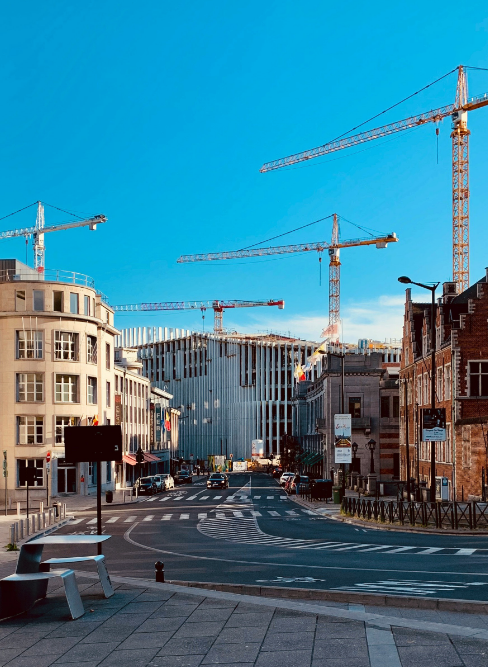
Chapter 2 – Global buildings and construction status. Construction activity remains a major pressure point. The sector added an estimated 5 billion square metres of new floorspace in 2023, with most growth occurring in emerging economies. Alarmingly, over half of this construction takes place without any applicable energy codes. Alongside this expansion comes an escalating waste problem: the sector now produces over 2 billion tonnes of construction and demolition waste every year. While awareness of circular strategies is growing, implementation lags, and Extended Producer Responsibility (EPR) schemes are still in early stages.
Chapter 3 – Sustainable buildings and construction policies, Although many countries have introduced national policies targeting sustainability in buildings, only a few are translating those into enforceable regulations. Just three countries updated their building codes in 2024. Energy efficiency is often promoted, but requirements on embodied carbon and materials reuse are still missing. Nationally Determined Contributions (NDCs) increasingly mention buildings, but rarely define actionable goals. Meanwhile, building certification systems are expanding, though their scope varies widely and they rarely integrate circularity beyond surface-level indicators.

Chapter 4 – Investment and financing for sustainable and resilient buildings. The financial architecture to support sustainable building remains weak. Investment in green construction dropped by 7% in 2023, and only around 4% of global construction spending is aligned with the goals of the Paris Agreement. The chapter highlights various mechanisms, including green bonds, concessional loans, and urban energy efficiency programmes, but notes that many are underutilised or inaccessible in key regions. Circular construction, in particular, receives little targeted financing, despite its critical role in reducing emissions and resource use.
Chapter 5 – Global Buildings Climate Tracker. The Tracker confirms that the sector is not on pace to reach net-zero by 2050. While there have been small gains in the energy performance of buildings and increased deployment of renewables, these improvements are outpaced by construction growth and material demand. The Tracker shows that emissions reductions are too shallow and too slow, and that policy action is not yet shifting outcomes at scale.
Chapter 6 – Buildings climate policy gap review
A detailed look at current policies reveals a clear gap between ambition and implementation. Most national and regional frameworks still fall short of what’s needed to align with the 1.5°C target. Emissions are not declining fast enough, and the policies in place are not producing the needed structural change. This chapter calls for more binding measures, integrated planning, and better enforcement tools to close the policy gap.
 Chapter 7 – Roadmaps for buildings and construction. More countries are developing national roadmaps to decarbonise their building sectors, using the GlobalABC methodology as a guide. This includes tools like the Circularity Assessment Framework and climate action guidance. However, while the number of roadmaps is growing, their integration into national planning and budgeting remains limited. Without enforcement and alignment with financing mechanisms, these plans risk remaining aspirational.
Chapter 8 – International policy initiatives to accelerate buildings decarbonization. New global platforms such as the Buildings Breakthrough and the Declaration de Chaillot aim to accelerate change by fostering international cooperation. These efforts highlight the political will to decarbonise buildings, but also point to the challenge of turning high-level commitments into real-world implementation. The chapter calls for stronger coordination between global initiatives and national strategies.
Chapter 9 – Conclusions: The challenges ahead
The final chapter reiterates the sector’s critical role in global climate action — and its current shortfalls. It calls for immediate and coordinated action across public, private, and financial actors. Scaling up known solutions, enforcing existing policies, accelerating circularity, and embedding climate goals into every stage of the building lifecycle are no longer optional — they are essential if the world is to stay within planetary boundaries.
At Reincarnate, we see clear alignment between our work and the priorities highlighted in this report — particularly the urgent need for digital tools, scalable reuse strategies, and circular construction models. As C&D waste continues to rise and policy frameworks remain fragmented, our Horizon Europe project contributes to bridging this gap by turning research into practical pathways for systemic change.